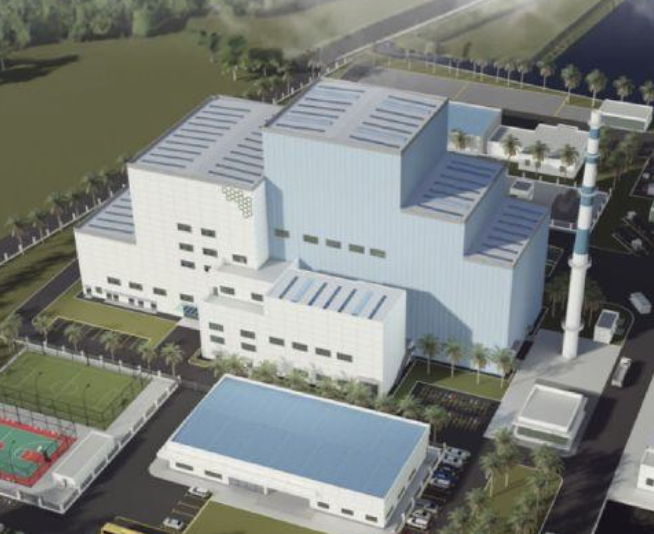
Waste-to-energy slag treatment and resource recovery delivering compliant, scalable solutions across China and Southeast Asia.
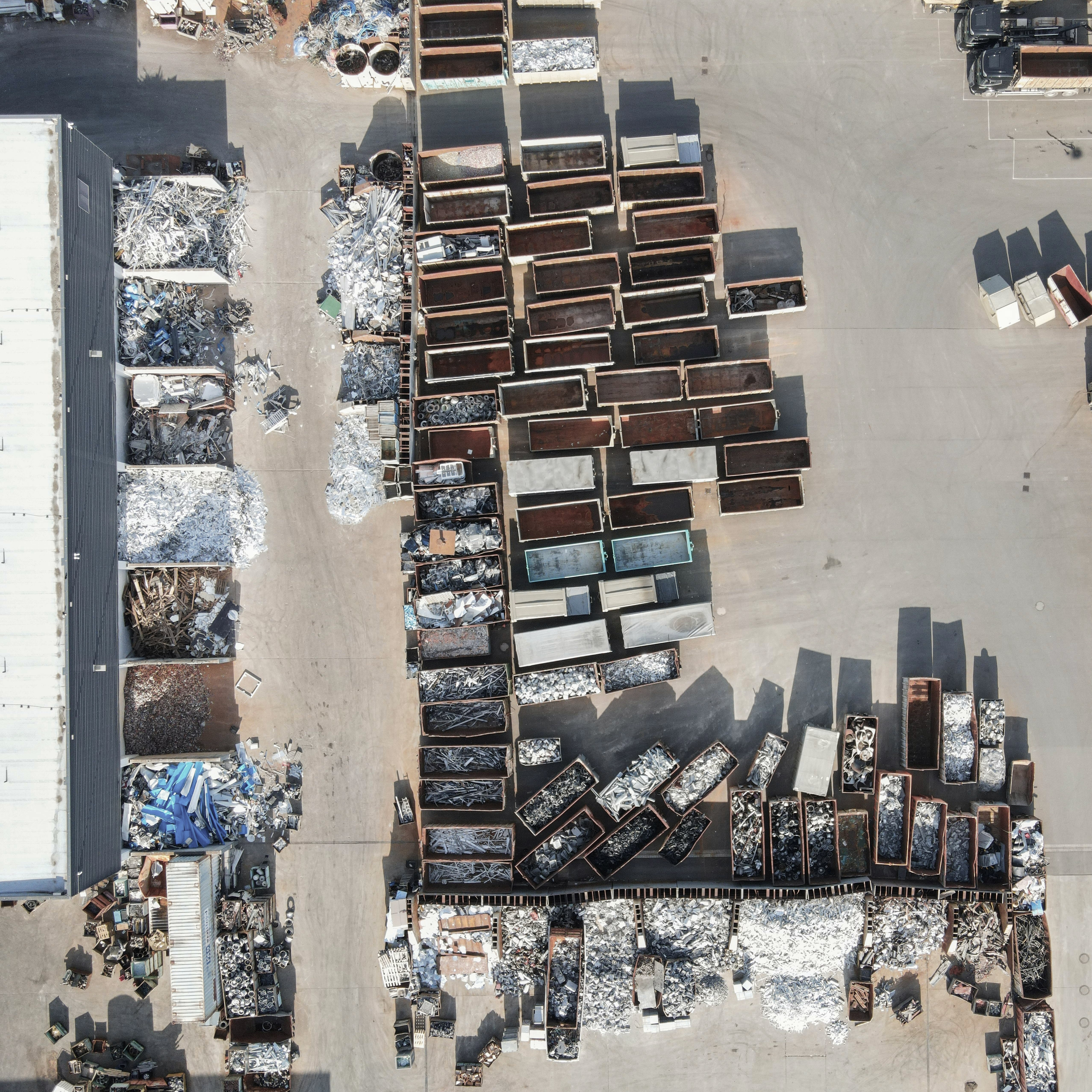
We are a professional environmental technology and circular-resource enterprise focused on integrated treatment and resource recovery for post-incineration residues, including bottom ash, fly ash, industrial solid waste, and legacy waste streams. Through proven engineering methods and long-term operating practice, we transform complex solid-waste residues into compliant recycled materials and industrial resources.
With operations across China, Vietnam, and Thailand, BridgeLux has developed practical experience across diverse waste compositions, climates, and operating environments. We position ourselves as a long-term infrastructure partner, with an emphasis on stable operation, regulatory compliance, and sustainable resource recovery.
Project Development · System Design · Facility Construction · Equipment Integration · Long-term Operations
BridgeLux helps municipal solid waste incineration plants reduce bottom ash accumulation and landfill dependency by redefining how post-incineration residues are managed, enabling more efficient operations and stronger long-term sustainability.
BridgeLux recovers valuable resources and connects the final stage of the waste-to-energy chain, transforming residual materials into lasting value and advancing a more sustainable future for society and the planet.
Through integrated environmental systems, BridgeLux minimizes dust, wastewater, odor, and secondary pollution risks during operation and establishes a foundation for stable, compliant, and responsible long-term infrastructure performance.
BridgeLux moves beyond traditional waste management by building circular ecosystems where post-incineration residues are transformed into sustainable resources and waste becomes enduring value.
02 / Capabilities
Through multi-stage crushing, screening, magnetic separation, eddy current separation, and wet purification, incineration bottom ash is transformed into recycled aggregates and reusable materials.
Treatment solutions for municipal solid waste incineration fly ash, focusing on stabilization, detoxification, leaching-risk control, and compliant downstream disposal or utilization pathways.
Tailored treatment and resource utilization for industrial residues, biomass slag, coal-derived residues, sludge, construction waste, and other non-hazardous solid waste streams.
Integrated solutions for aged waste remediation, contaminated soil treatment, and site-level environmental improvement, supporting long-term land restoration and risk control.
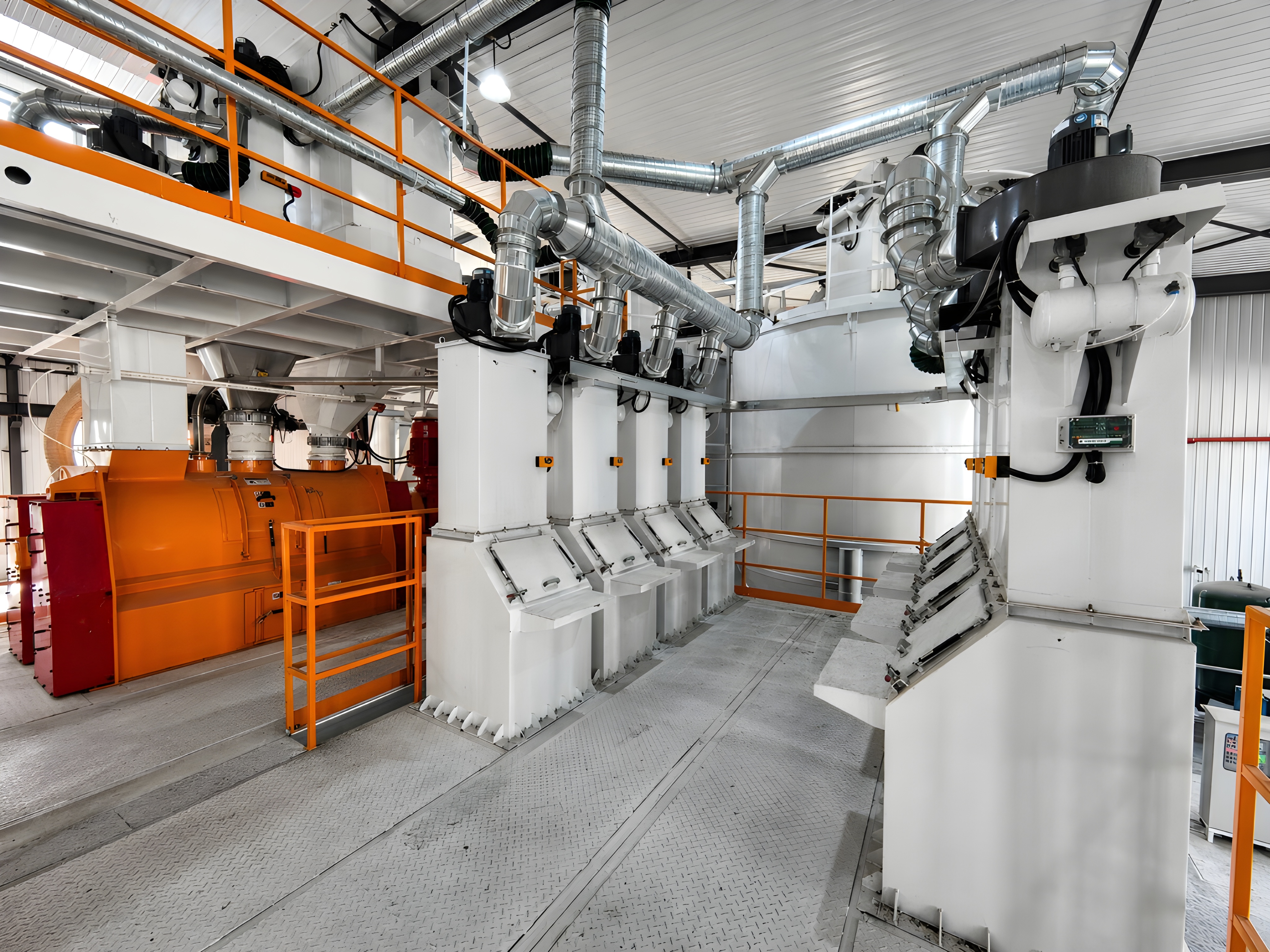
Fully enclosed material handling, odor treatment, dust suppression, wastewater circulation, and emergency environmental response systems for stable and compliant operations.
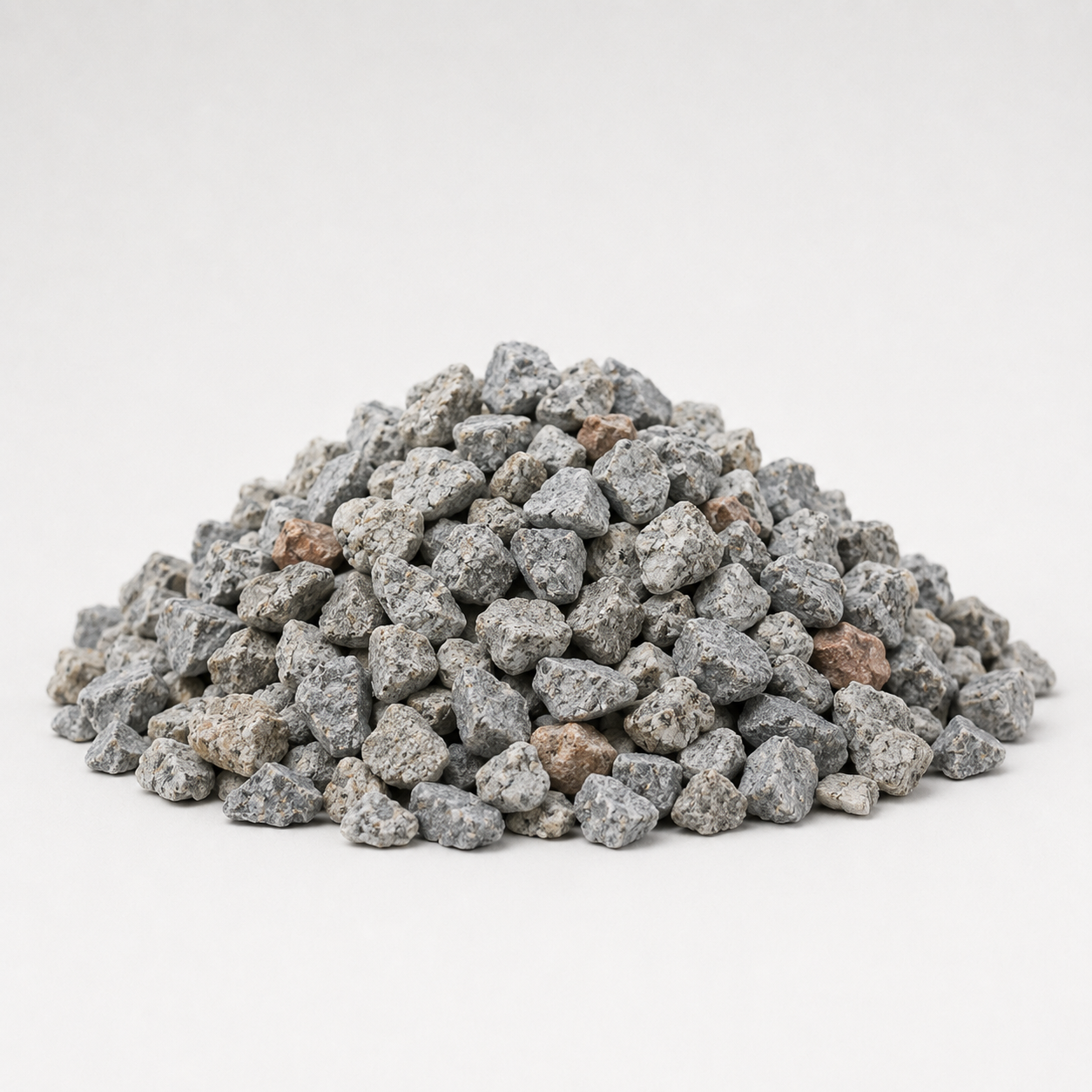
Stable, quality-controlled recycled outputs for green building materials, road base layers, municipal infrastructure, and other compliant resource-based applications.
03 / Technology
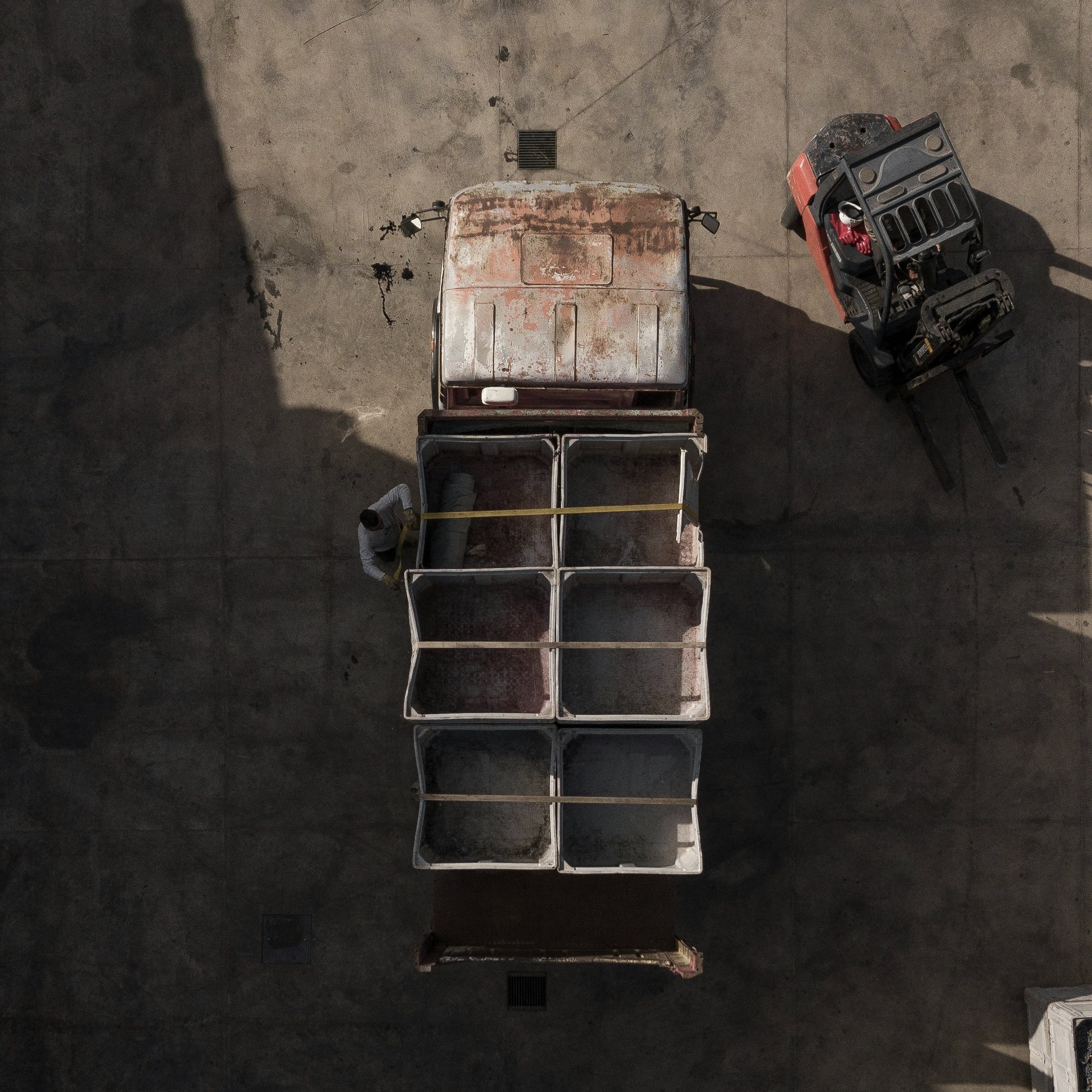
Incoming materials are received through enclosed feeding systems, then screened and sorted to remove oversized impurities and recover primary iron components before entering the main treatment process.
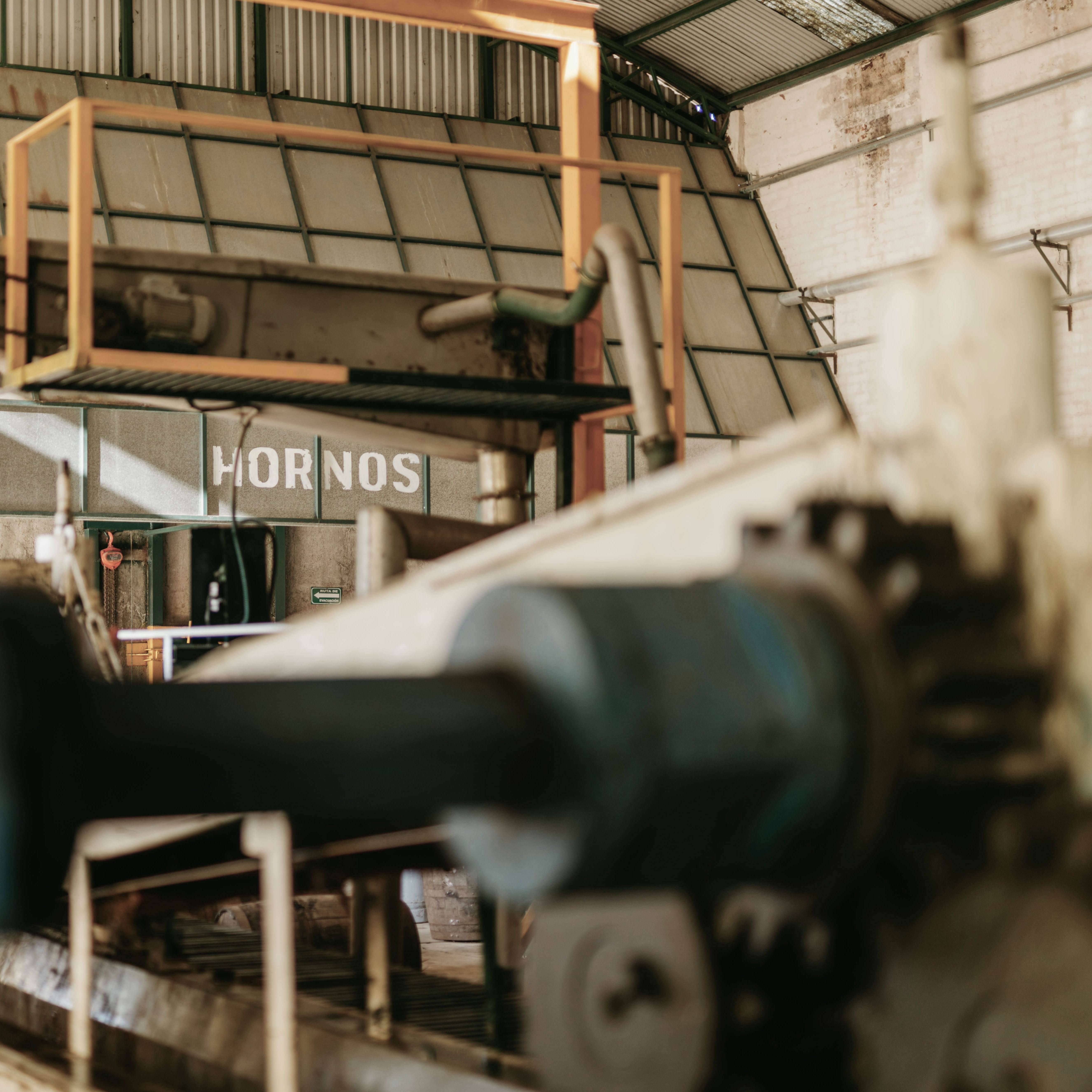
The slag is processed through primary and secondary crushing, followed by fine separation, allowing materials of different particle sizes to be prepared for efficient downstream recovery and purification.
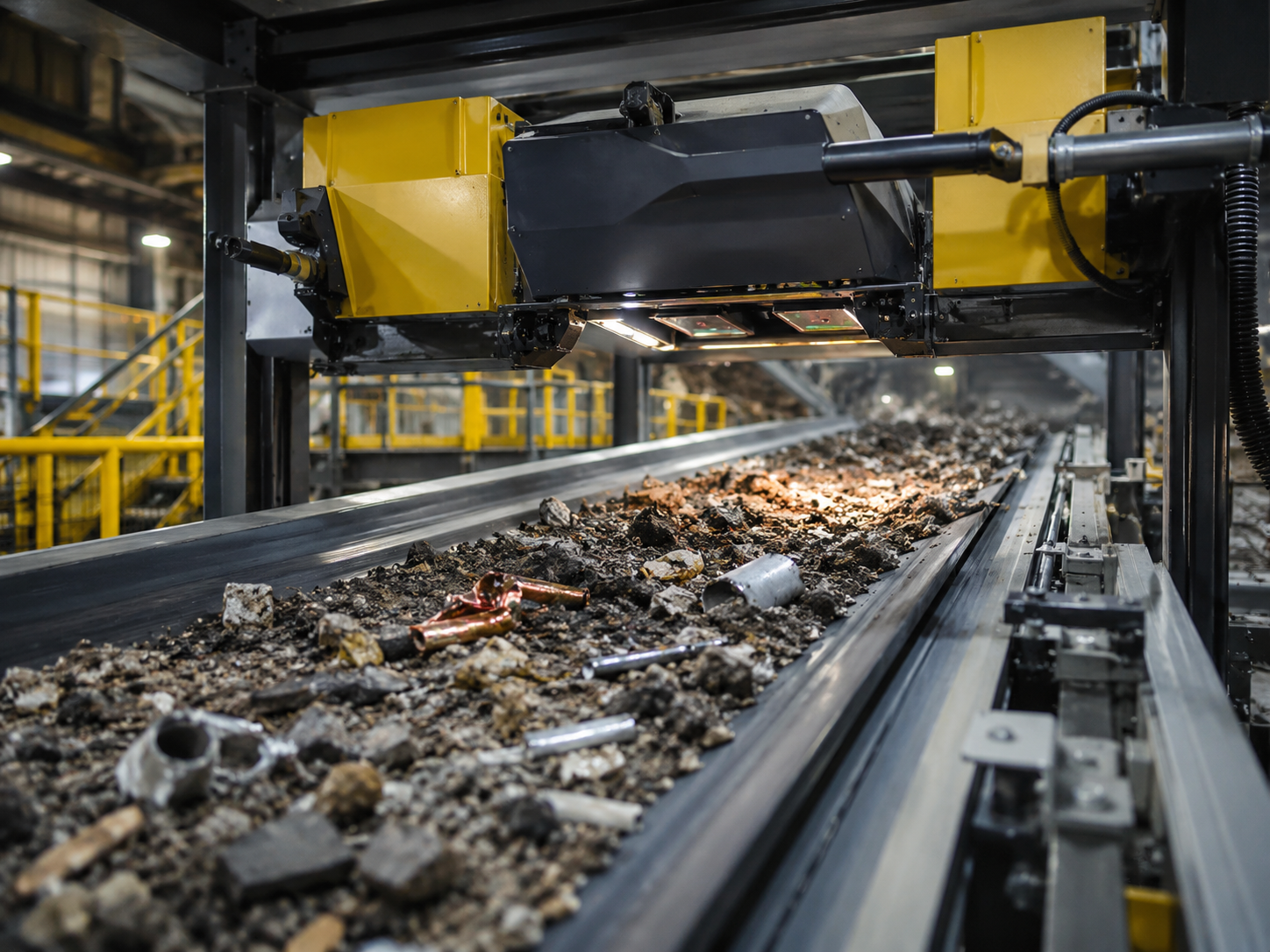
Magnetic separation is used to recover iron, while eddy current separation further extracts valuable non-ferrous metals such as copper and aluminum from the processed material stream.
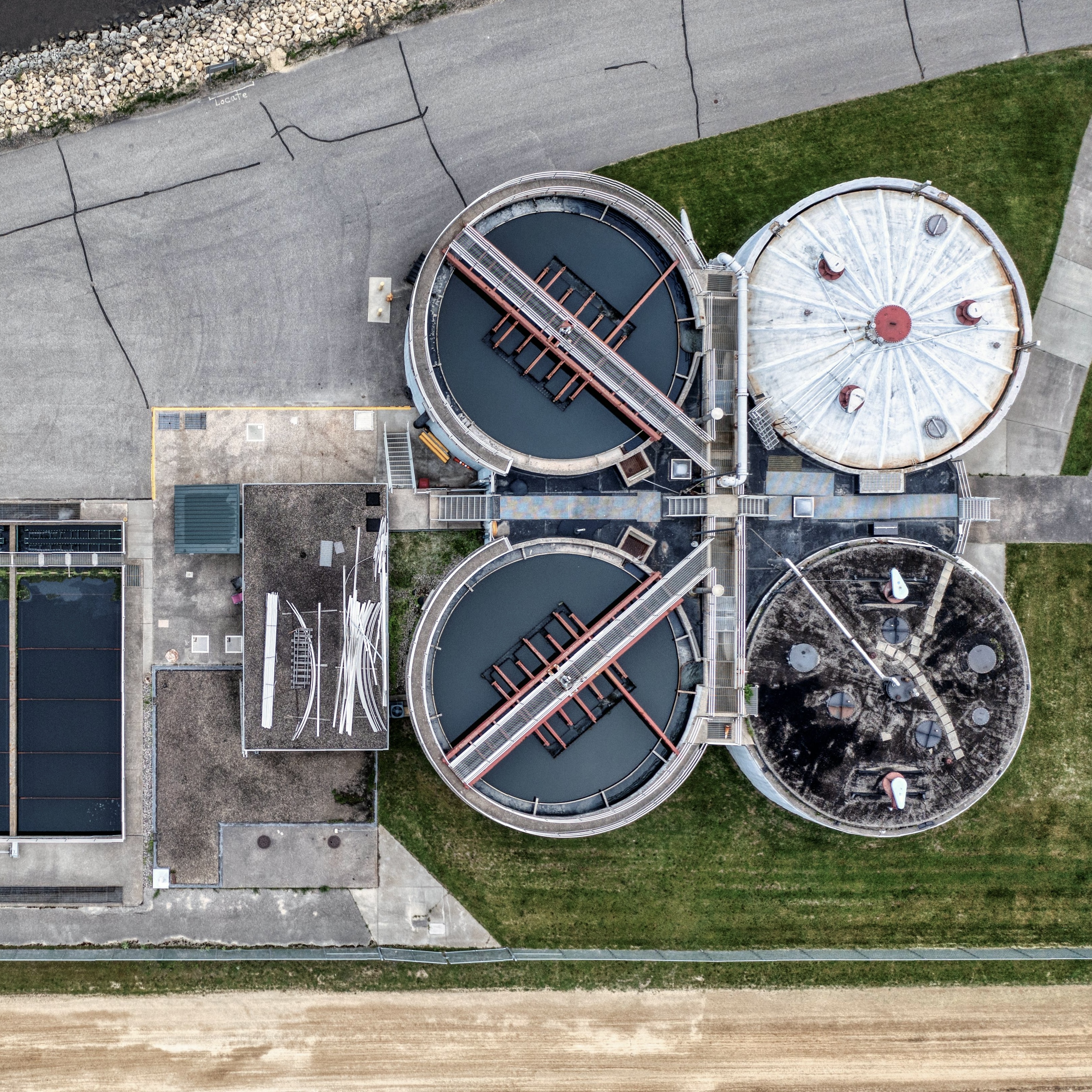
Gravity separation and dewatering treatment are applied to improve material cleanliness, while internal water circulation reduces wastewater discharge and supports stable environmental compliance.
Purified materials are mixed, molded, cured, and standardized into recycled outputs suitable for construction, infrastructure, and other compliant resource-based applications.
Fly ash treatment focuses on stabilization, detoxification, and leaching-risk control, helping reduce heavy-metal mobility and supporting compliant downstream disposal or utilization pathways.
04 / Outputs
05 / Intelligence
We are developing AI-assisted technologies to improve recovery efficiency, equipment reliability, and long-term operational performance across solid-waste resource recovery facilities.
Camera- and spectral-assisted recognition systems are being developed to identify copper, aluminum, stainless steel, and other valuable materials on conveyor lines, with the potential to link visual detection to air-jet or mechanical sorting modules for higher recovery precision.
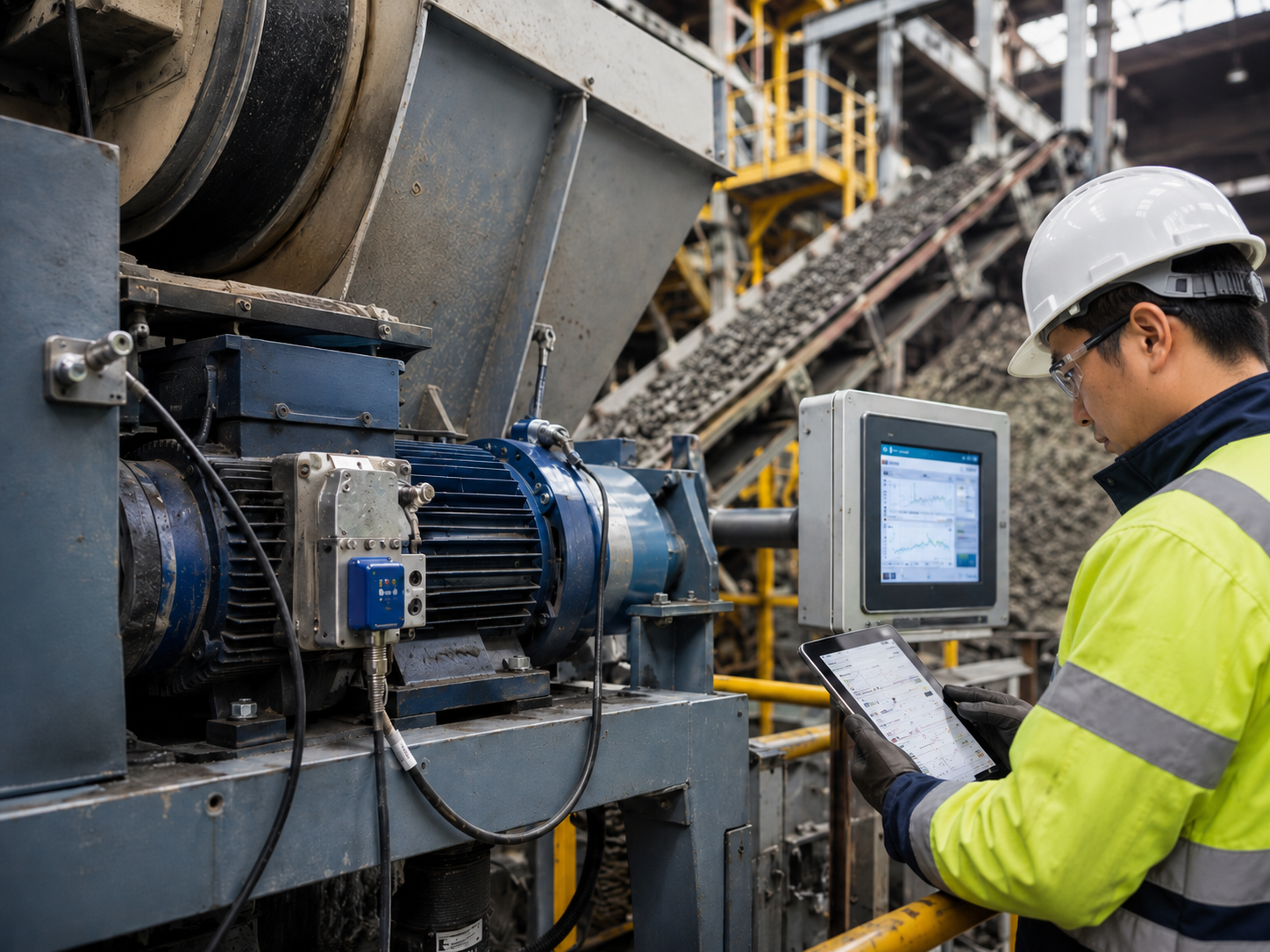
Predictive models based on vibration, temperature, current, and operating-load data are being explored for crushers, screens, conveyors, and other key equipment, helping reduce unplanned downtime and improve long-term operating stability.
06 / Scale
Largest displayed project capacity in the current portfolio.
China, Vietnam, and Thailand operating footprint.
Operating, completed, and developing projects across current markets.
Priority project references across Vietnam and Thailand.
07 / Projects
07 / Projects
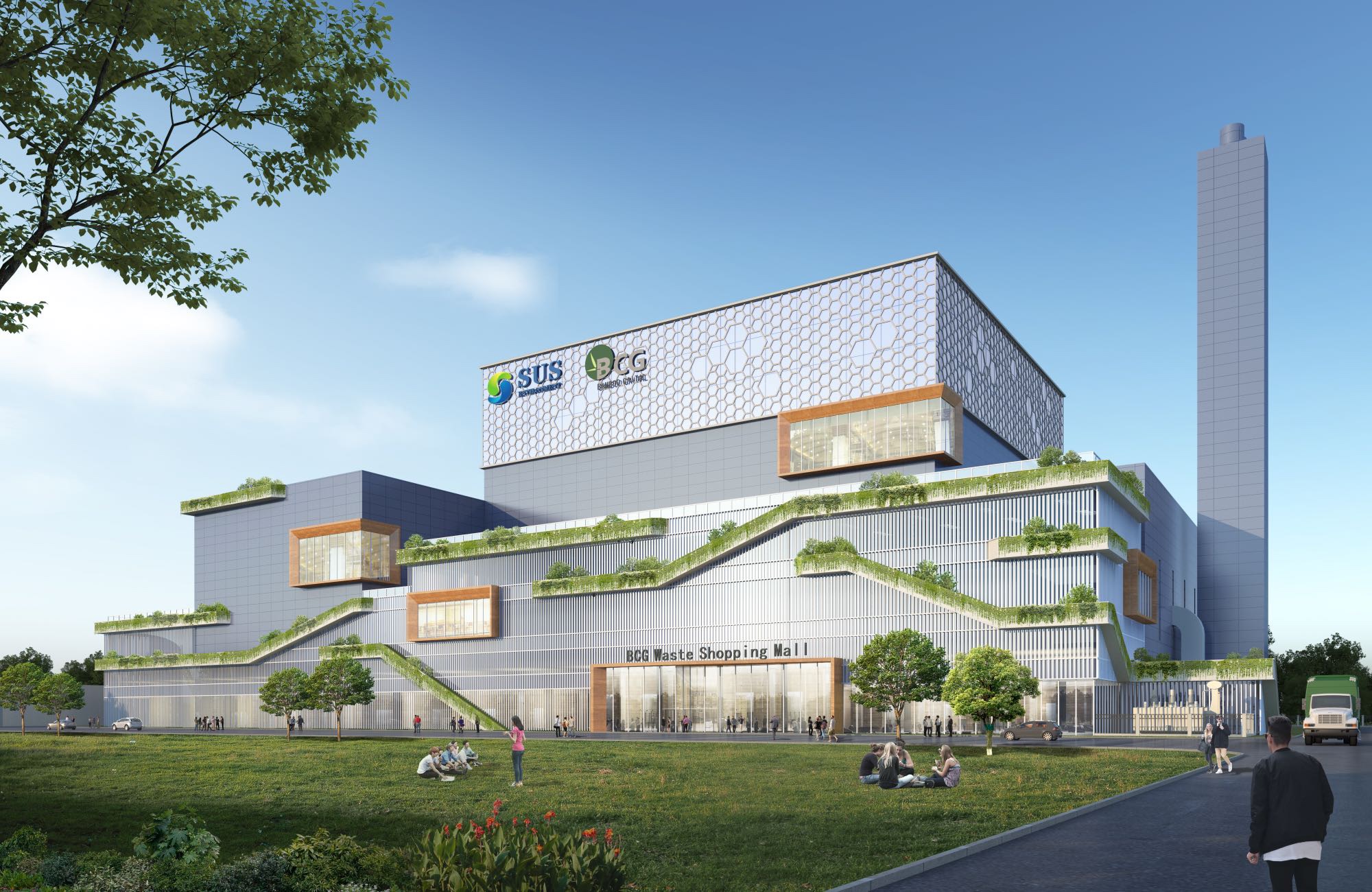
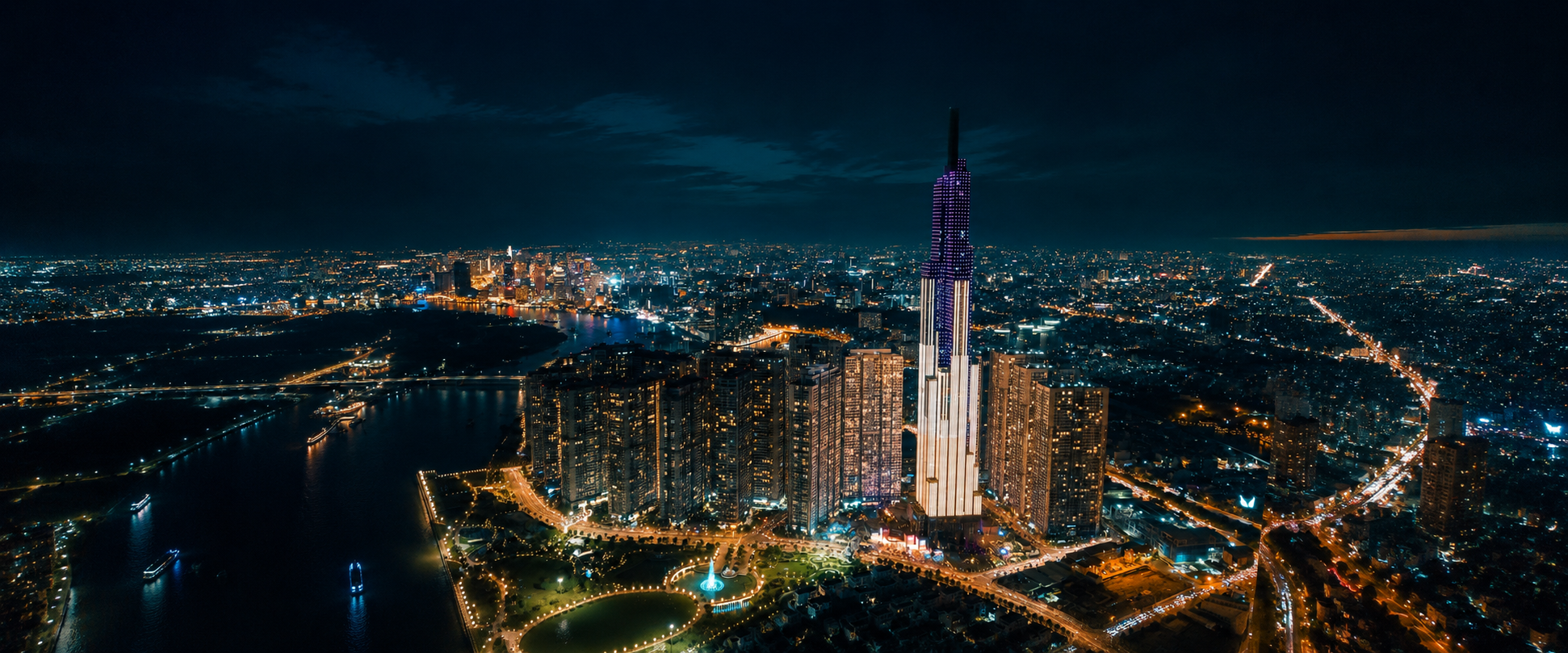
Supporting major municipal waste-to-energy facilities in Ho Chi Minh City.
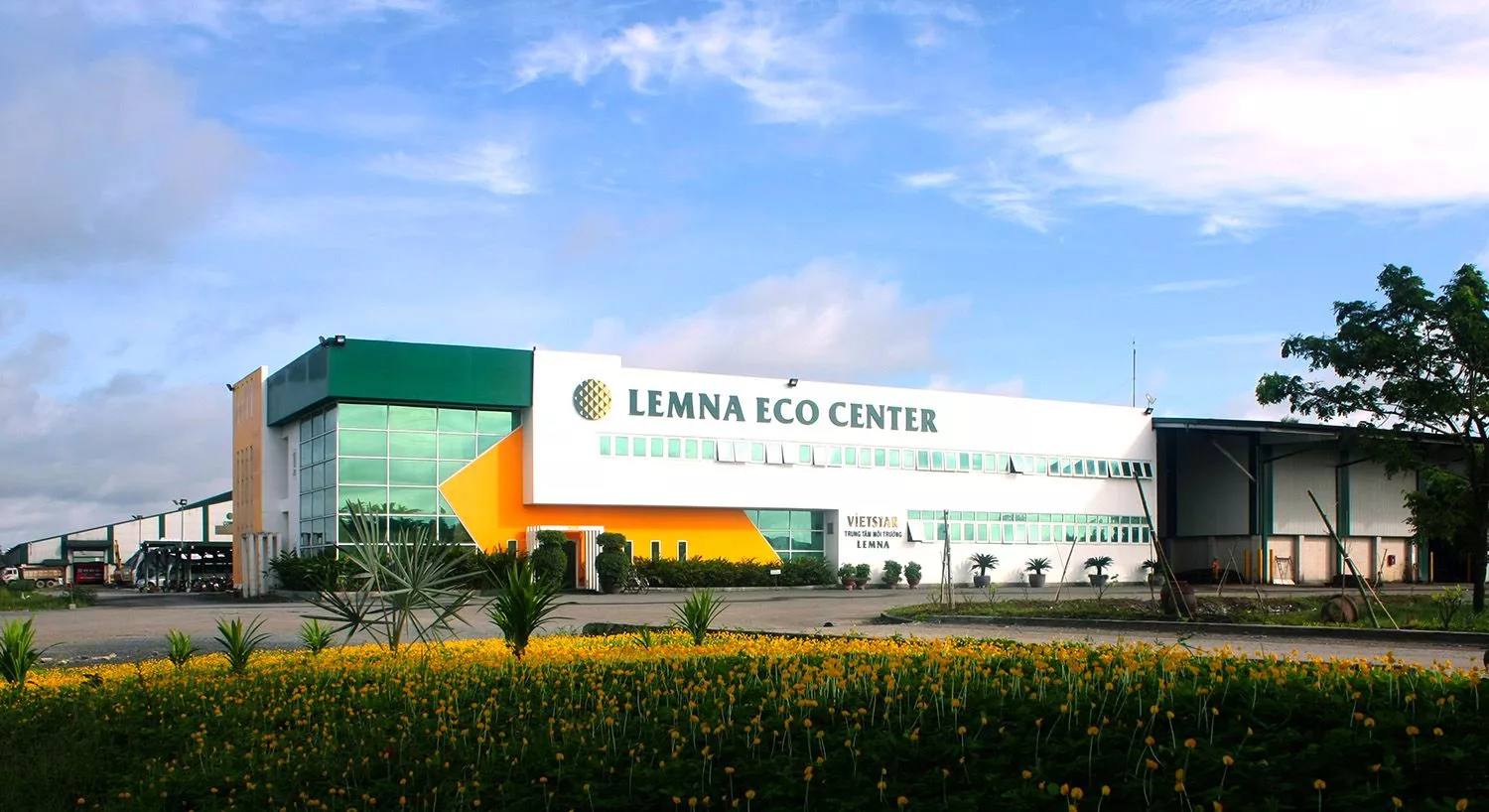
Extensive operations across urban and regional waste streams.
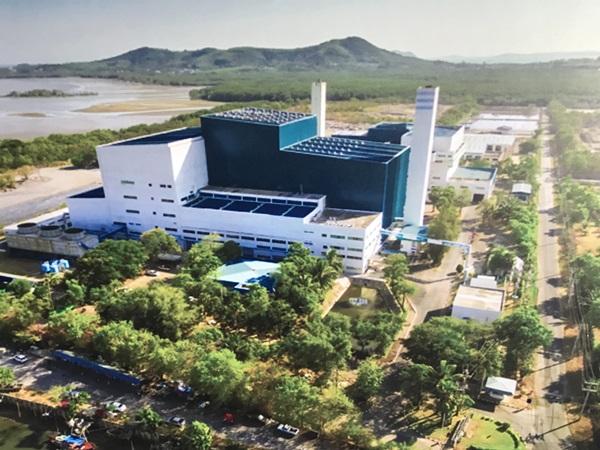
Supporting waste-to-energy and resource recovery projects serving world-class tourism destinations and major urban centers, helping transform municipal waste into reusable resources while advancing cleaner, more sustainable local development.